메시지를 남겨주세요
메시지를 남겨주세요
저희 제품에 관심이 있으시고 더 자세한 정보를 원하시면 여기에 메시지를 남겨주세요. 최대한 빨리 답변드리겠습니다.

제출하다
기치

정보 센터

정보 센터

How Do RFID Tags for Cattle Work? A Complete Guide to Livestock Identification and Traceability

How Do RFID Tags for Cattle Work? A Complete Guide to Livestock Identification and Traceability

Jun 26, 2026

How Do RFID Tags for Cattle Work? A Complete Guide to Livestock Identification and Traceability


As livestock farming continues to embrace digital transformation, RFID technology has become one of the most valuable tools for modern cattle management. RFID, or Radio Frequency Identification, allows farmers and ranchers to identify, track, and manage individual animals with greater accuracy and efficiency than traditional methods. From monitoring animal health to ensuring full traceability throughout the supply chain, RFID tags have become an essential component of smart livestock operations.


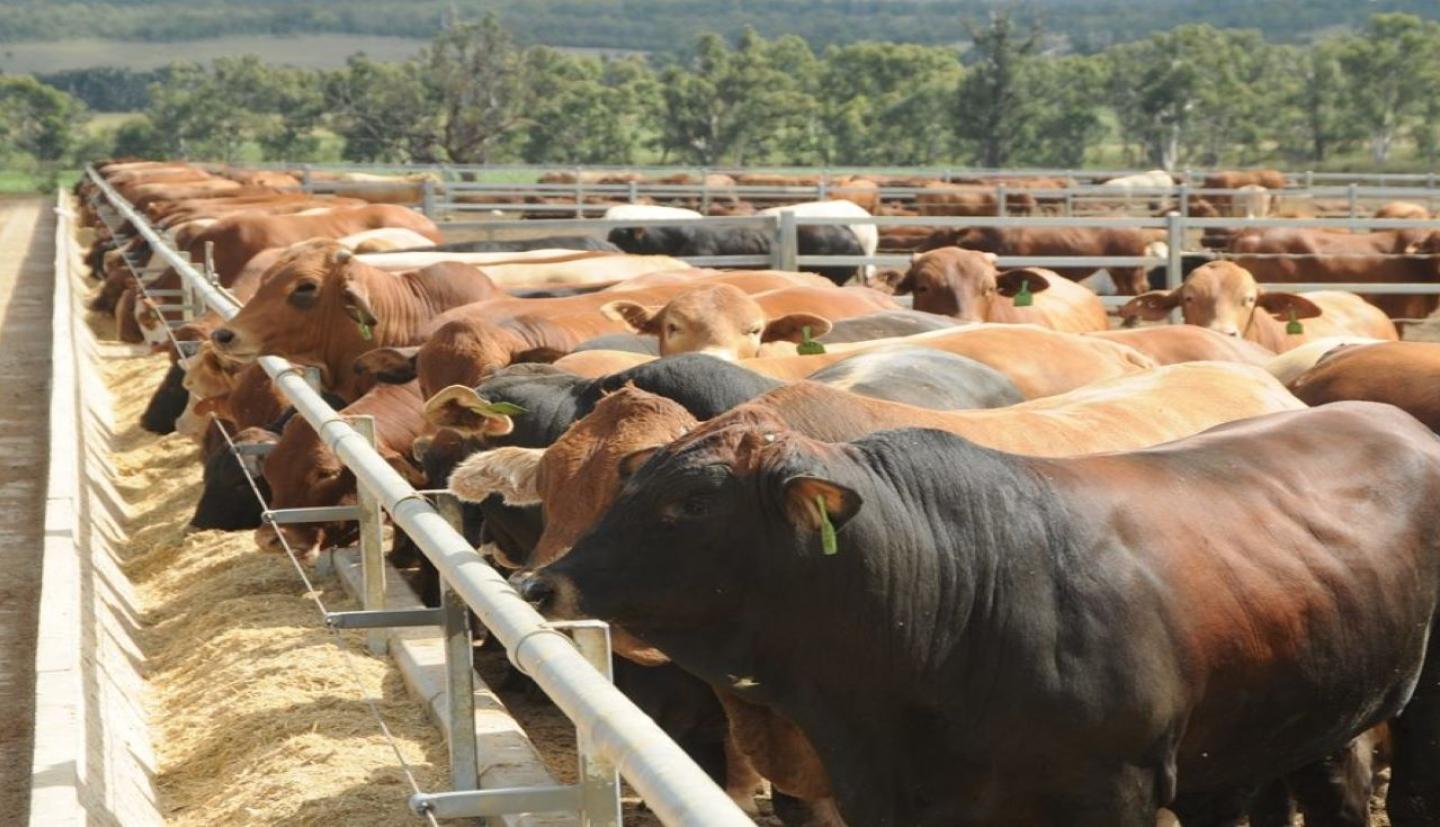
RFID tags for cattle are most commonly used in the form of electronic ear tags. Each tag contains a unique identification number linked to a database that stores detailed information about the animal. Unlike traditional visual ear tags that require manual reading, RFID tags can be scanned automatically using radio waves, even when cattle are moving through gates, chutes, or feeding stations. This capability significantly reduces labor requirements while improving data accuracy.


The working principle of RFID cattle tags is based on wireless communication between the tag and an RFID reader. When the reader emits a radio frequency signal, the tag receives the signal through its built-in antenna and responds by transmitting its stored identification number. The reader captures this information and sends it to a management system where the animal's records can be accessed, updated, or analyzed. The entire process takes only a fraction of a second and occurs without physical contact or direct line-of-sight.


Inside every RFID cattle tag are several key components that make this communication possible. The tag contains a microchip that stores identification data, an antenna that receives and transmits radio signals, and a durable protective housing designed to withstand harsh agricultural environments. Since cattle are exposed to rain, mud, dust, sunlight, and physical impact throughout their lives, RFID ear tags are specifically engineered for long-term durability and reliable performance.


There are two primary types of RFID technology used in cattle identification systems: Low Frequency (LF) RFID and Ultra High Frequency (UHF) RFID. LF RFID tags, typically operating at 134.2 kHz, are widely recognized as the international standard for animal identification. They offer excellent reading reliability around animal tissue and moisture, making them particularly suitable for livestock applications. UHF RFID tags, on the other hand, provide longer reading distances and faster bulk-reading capabilities, allowing multiple animals to be identified simultaneously. As large-scale cattle operations continue to expand, UHF technology is becoming increasingly popular for high-efficiency livestock management.


Applying RFID ear tags to cattle is a straightforward process. Farmers use a specialized tagging applicator to attach the tag to the animal's ear, much like a traditional ear tag. Once installed, the RFID tag remains with the animal throughout its lifecycle, serving as a permanent digital identity. Proper tag placement is important to ensure optimal reading performance while maintaining animal welfare standards.


Although the RFID tag itself usually stores only a unique identification number, the connected database can contain a wealth of information about each animal. This may include birth records, breed information, ownership details, vaccination history, medical treatments, weight measurements, breeding performance, feeding records, and movement history. By linking all of this information to a single RFID identifier, farmers can easily access complete animal records whenever needed.


One of the biggest advantages of RFID technology in cattle farming is the improvement in operational efficiency. Manual recordkeeping is time-consuming and prone to human error, particularly in large herds. RFID systems automate the identification process, enabling rapid data collection during vaccination programs, health inspections, weighing procedures, and breeding management activities. This automation not only saves time but also improves the accuracy and consistency of livestock records.


RFID technology also plays a critical role in animal health management and disease control. Because every animal can be identified instantly and accurately, farmers can maintain detailed treatment histories and quickly trace the source of health issues. In the event of a disease outbreak, RFID systems allow affected animals to be identified, monitored, and isolated more efficiently, helping reduce the risk of widespread infection.


Another major benefit of RFID cattle tags is enhanced traceability. Consumers, food processors, and regulatory agencies increasingly demand transparency throughout the food production chain. RFID technology makes it possible to track cattle from birth through transportation, processing, and distribution. This level of traceability helps improve food safety, supports regulatory compliance, and strengthens consumer confidence in livestock products.


As agriculture continues to evolve toward data-driven decision-making, RFID technology is becoming increasingly integrated with other smart farming solutions, including IoT sensors, cloud-based management platforms, automated weighing systems, GPS tracking, and artificial intelligence analytics. These technologies work together to provide deeper insights into animal behavior, productivity, and overall herd performance.


In conclusion, RFID tags for cattle work by using radio frequency signals to enable fast, accurate, and automated animal identification. By connecting RFID ear tags with readers and livestock management software, farmers can efficiently monitor cattle throughout their entire lifecycle. The technology improves operational efficiency, enhances animal health management, supports regulatory compliance, and enables full supply chain traceability. As the livestock industry continues to modernize, RFID will remain a cornerstone technology for smarter, more sustainable cattle farming.

메시지를 남겨주세요

메시지를 남겨주세요
저희 제품에 관심이 있으시고 더 자세한 정보를 원하시면 여기에 메시지를 남겨주세요. 최대한 빨리 답변드리겠습니다.

제출하다
문의하기 :marketing@jtspeedwork.com

제품

whatsApp

연락하다